
After the Practice Bell
A short interval belongs to the learner
The academy practice hall uses one bell to close an exercise and another sound to bring it back into use. A student may move around between them. In this original fantasy game concept, the player sees a mark near the edge of a slate as the first bell stops sounding. A light tool is still in a rest, and the student next to it is leaving with the only spare tray. The apprentice has room to choose which parts of the exercise should be prepared again and which drawing deserves another look.
A tray carries two objects. Most lessons can be started with one, while a repair can require a second item from across the room. Keeping a chalk reference uses a different kind of space. One useful mark can be carried within the next drawing, but a tangled section still needs room to be erased. When the page turns, the chosen mark and the needed line remain readable at the size of a real slate in the scene. Loops on the Practice Tools provides a closer look at the shapes that identify tools between shifts.
Decide the next attempt before the room fills
Each interval starts with a brief reading of the slate. The apprentice identifies a problem they want to try, prepares a tray and then takes a position in the room. A thoughtful setup can keep them near a familiar tool so the second exercise begins quickly. A less familiar starting place may let them notice what a neighboring student does before reaching for a tool. When the bell calls them back, the new layout should show how their choice changed what they can do.
The early time model leaves room for two short actions and one trip to another bench. The player may choose to spend part of that time watching the teacher prepare. The tradeoff is information against room to move something. The process will give an uncertain apprentice a useful next step even if one of the changes they intended cannot be finished in time. A later sequence could introduce a seat that is only available after another student collects their tray. Seats below the Noon Stair discusses the signal for that change.
Read the hall in subdued daylight
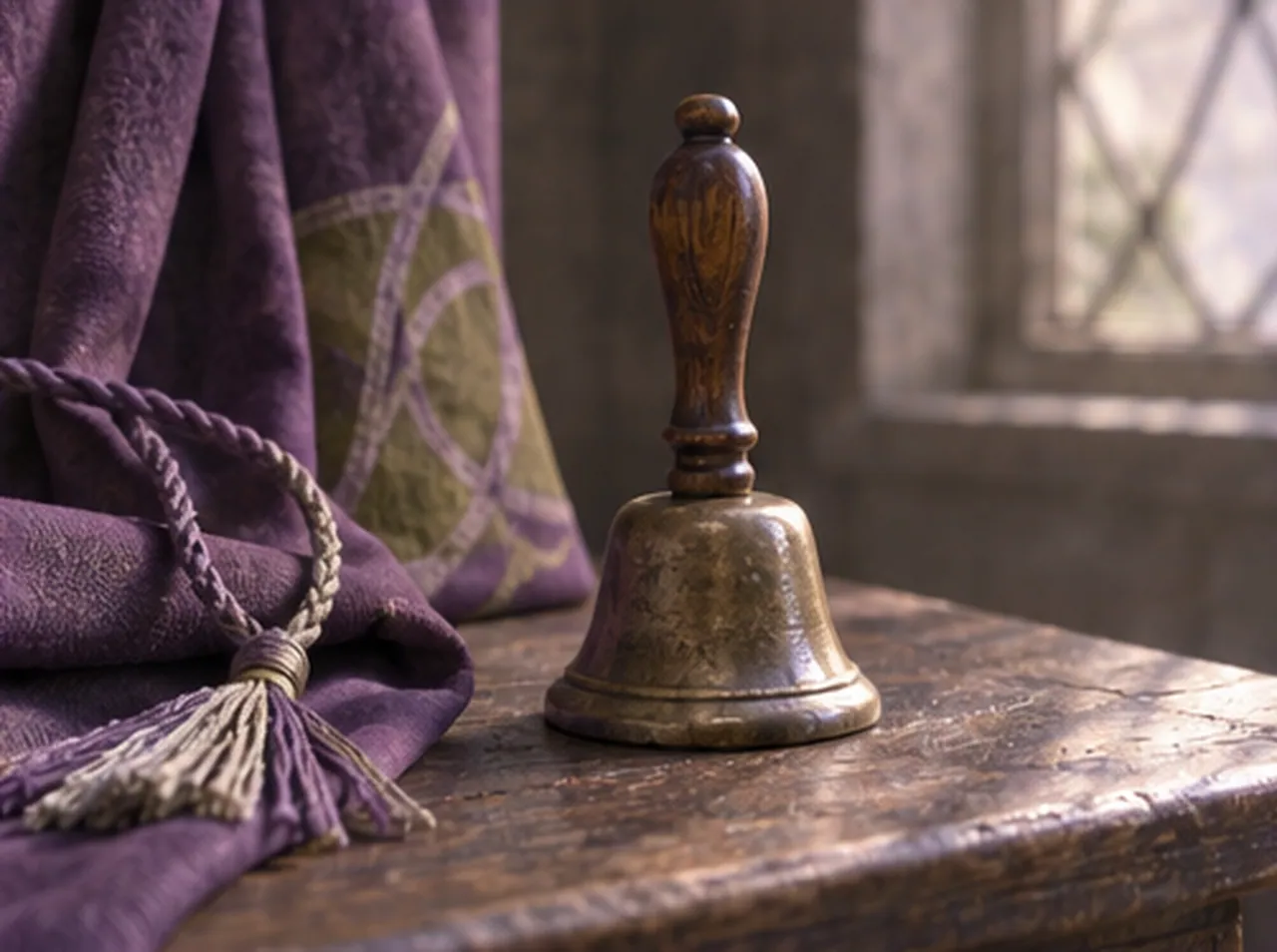
The scene uses a large bronze bell with a low cool reflection. Every tool has a pale face and a small distinct marking, while the slate has a dark face and broken white lines. The art should give the signal for the bell a shape and a change in shadow alongside its sound. Student movement can remain in view just after the signal, making the start of the interval feel like the same room in a new state.
Build a narrow test
The concept is in early prototype development. Its first sequence needs a seat, a fixed rest for two tools and an observed chalk mark. One attempt focuses on recovering a mark, and the other tests whether a previous choice is easy to see when a new exercise begins. The player can repeat the preparation interval without replaying the earlier class. The prototype needs to show how much of the interval is still available as a student decides to cross the room. A test can then compare an apprentice who carries the reference and one who saves a tool instead.